
What Marks Can Reveal About an Object
Material clues, hypotheses and limits of historical identification.
Pesquisa e curadoria: Jorge Feitosa e Fábio Garcia
Virar uma peça pode ser o começo de uma boa descoberta. Sob um castiçal, uma porcelana ou um vaso, uma marca discreta aponta para nomes, técnicas e períodos de fabricação. No Acervo Jorge Feitosa, Jorge examina também proporções, encaixes, superfícies e vestígios de uso. O que se vê orienta a pesquisa; catálogos de época e registros de fabricantes ajudam a distinguir uma identificação comprovada de uma hipótese.
The exam begins with the object itself. Shape, material, proportions, base, hardware, enameling and traces of use offer different information. When there are markings, we observe its position, the way of application and the relationship with the construction of the piece.
Time catalogues, manufacturers' records and museum collections help to situate these details in history. Comparisons also reveal how the same manufacturer has modified brands, designs and processes over time.
In the Acervo Jorge Feitosa, objects from Christofle, Eberle and Zappi offer examples of distinct brands and productive traditions. A metal engraving, a symbol at the base of the ceramics or a manufacturing detail open different paths to tell the story of each piece.
We call this work the Archaeology of Matter. The Memory of Matter also considers the use and the memories that objects preserve or evoke. A brand brings us closer to the one who made it; the coexistence with the piece adds other chapters to its biography.
A brand may indicate the name of a company without clarifying the date of production of that copy. It may also have been used for decades, applied by a decorating workshop or reproduced at another time. Therefore, the identification combines registration with dimensions, technique, format and possible documents of origin.
Related readings
Documents and pages of the Acervo used as an editorial or in-depth basis. Do not replace catalogues of manufacturers and primary sources when required by historical identification.
- The Acervo — Archaeology of MatterPresentation of the curatorial method.
- The Record — Memory of MatterDiscussion on memory, matter and circulation of objects.
Objects related to this research
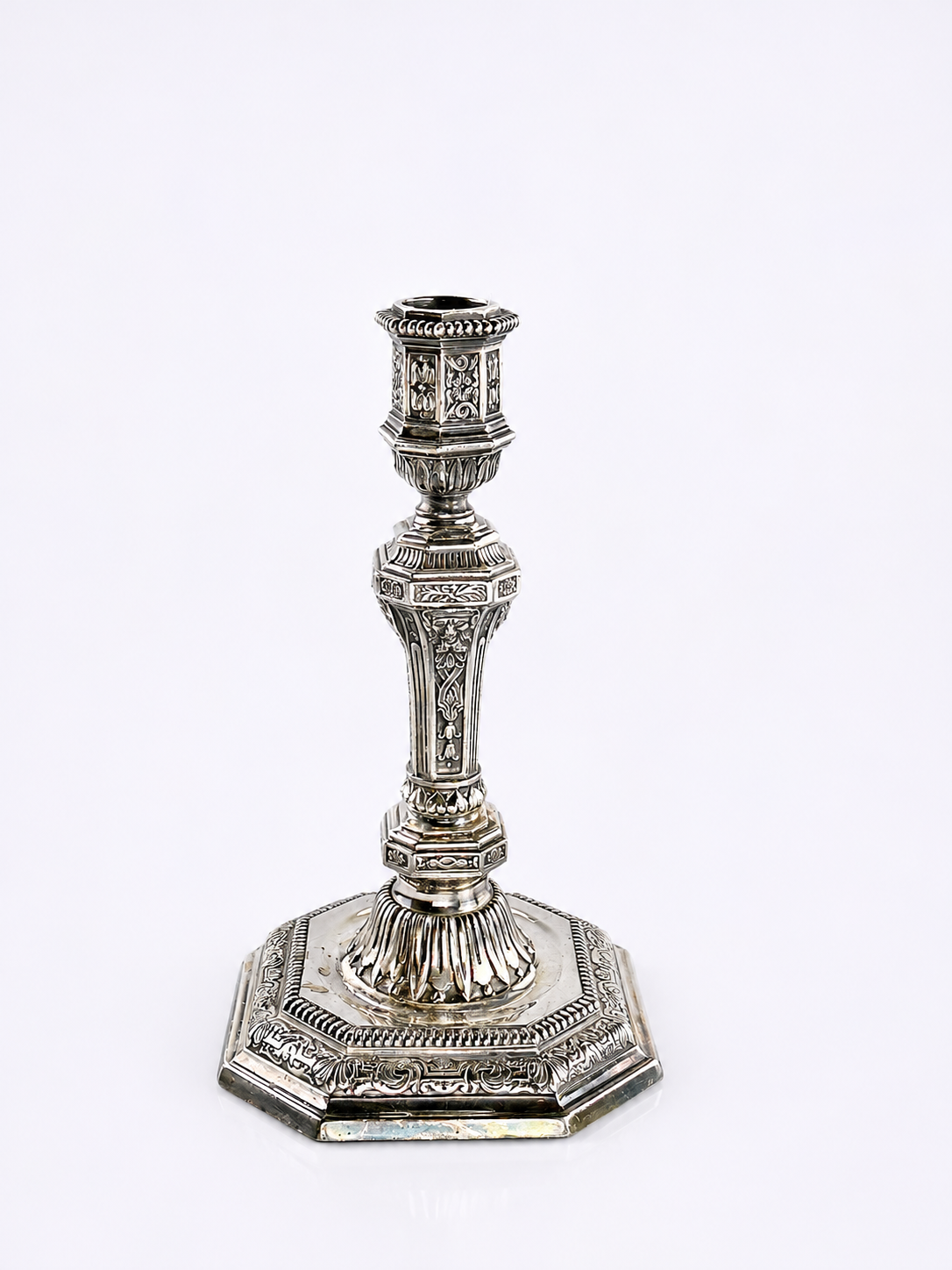
Christofle · Dupérier Candlestick
France • 1982 reissue
candlestick Christofle from the Duperier collection, produced in 1982 and inspired by the creation of Louis Dupérier goldsmiths. The ornamentation uses elements of the Louis XIV repertoire.
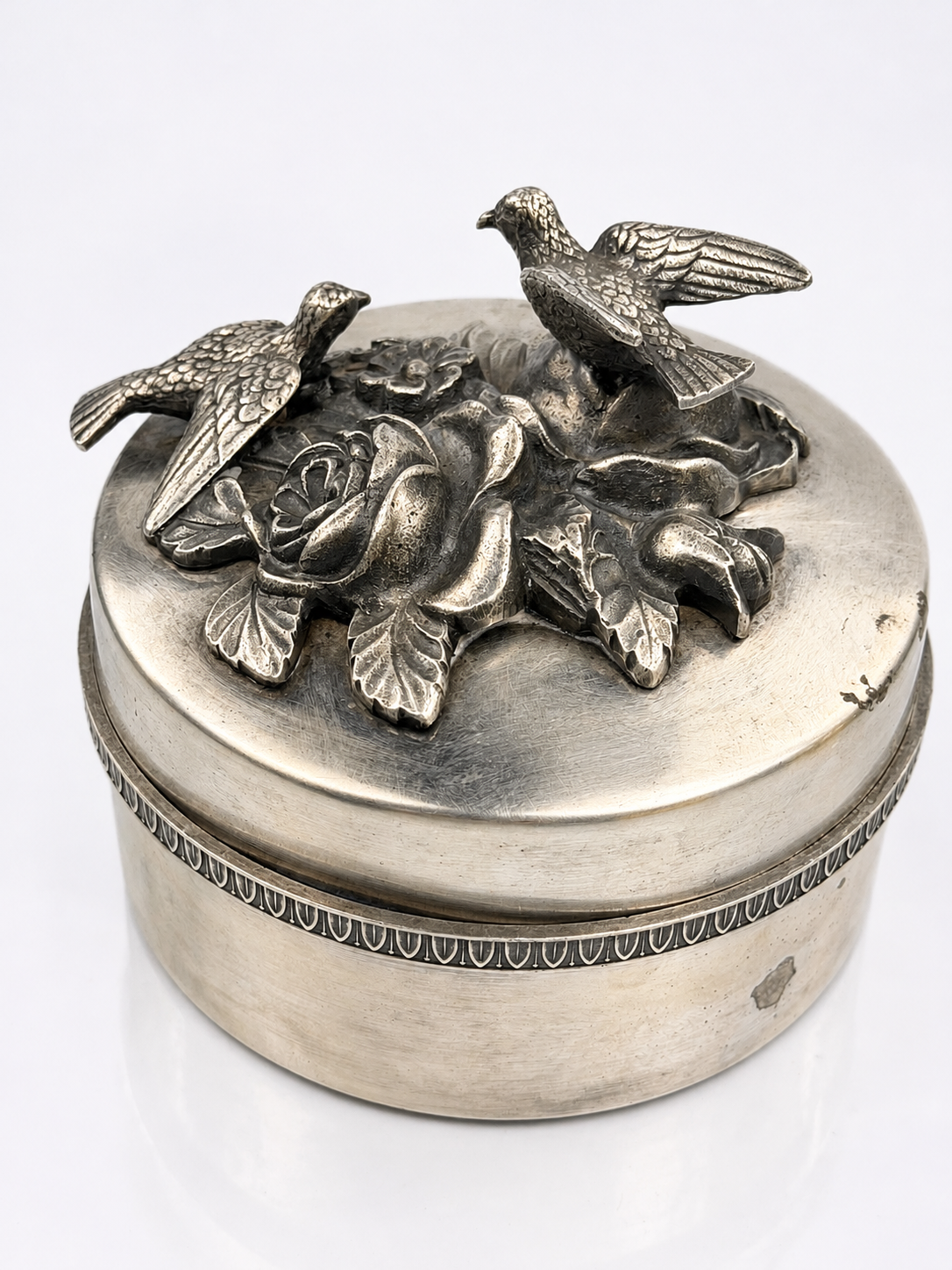
Eberle · Jewelry Box with Bird and Rose Motifs
South Caxias, RS • c. 1950
Silver metal with sculptural lid formed by birds, roses and foliage.
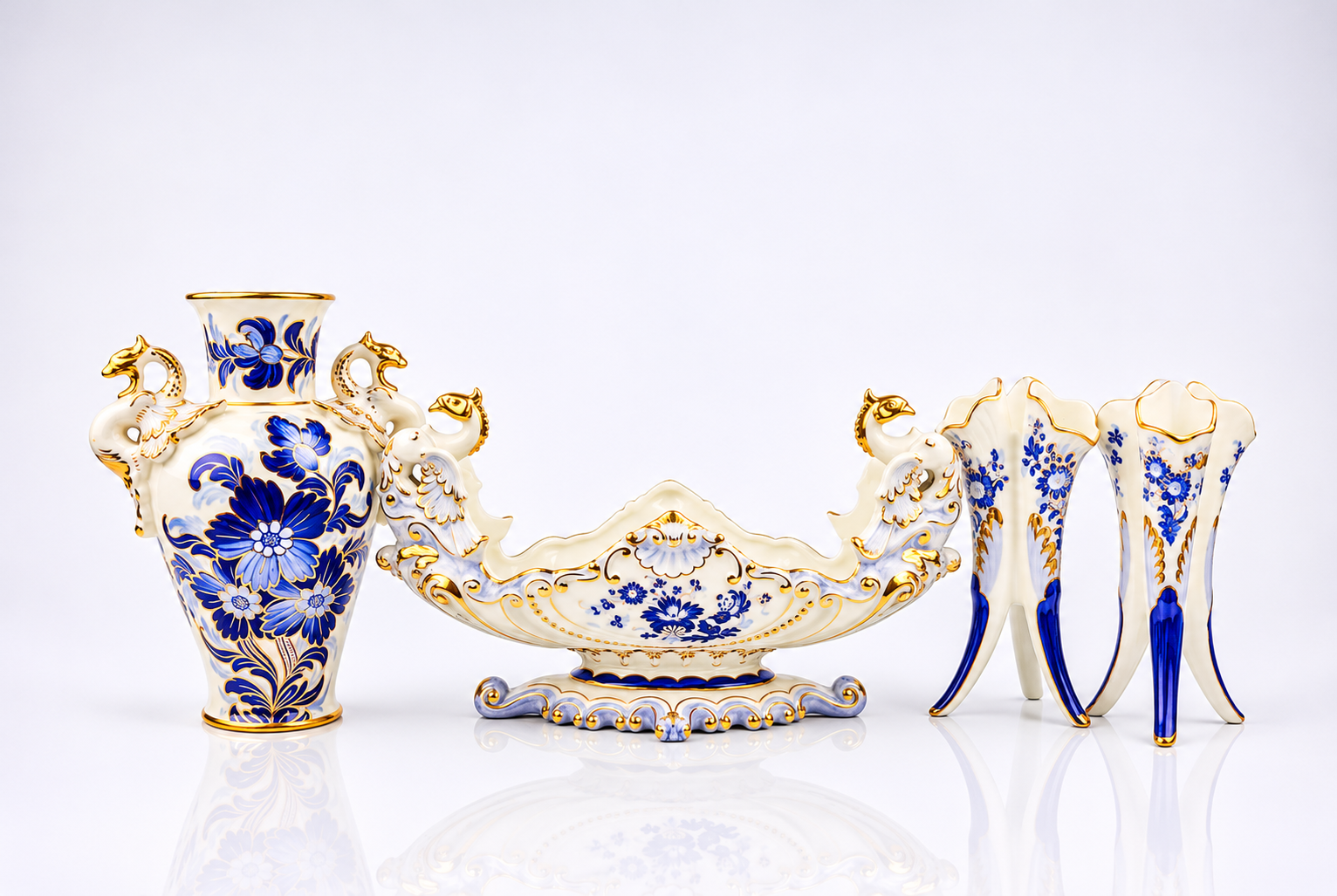
Zappi • Imperial Dragon Set
São Paulo • c. 1940-1950
Composition of ceramics in cobalt-blue, white and gold, with vase, flower and pair of high tripod pieces. The vase has figurative handles in the shape of a dragon.
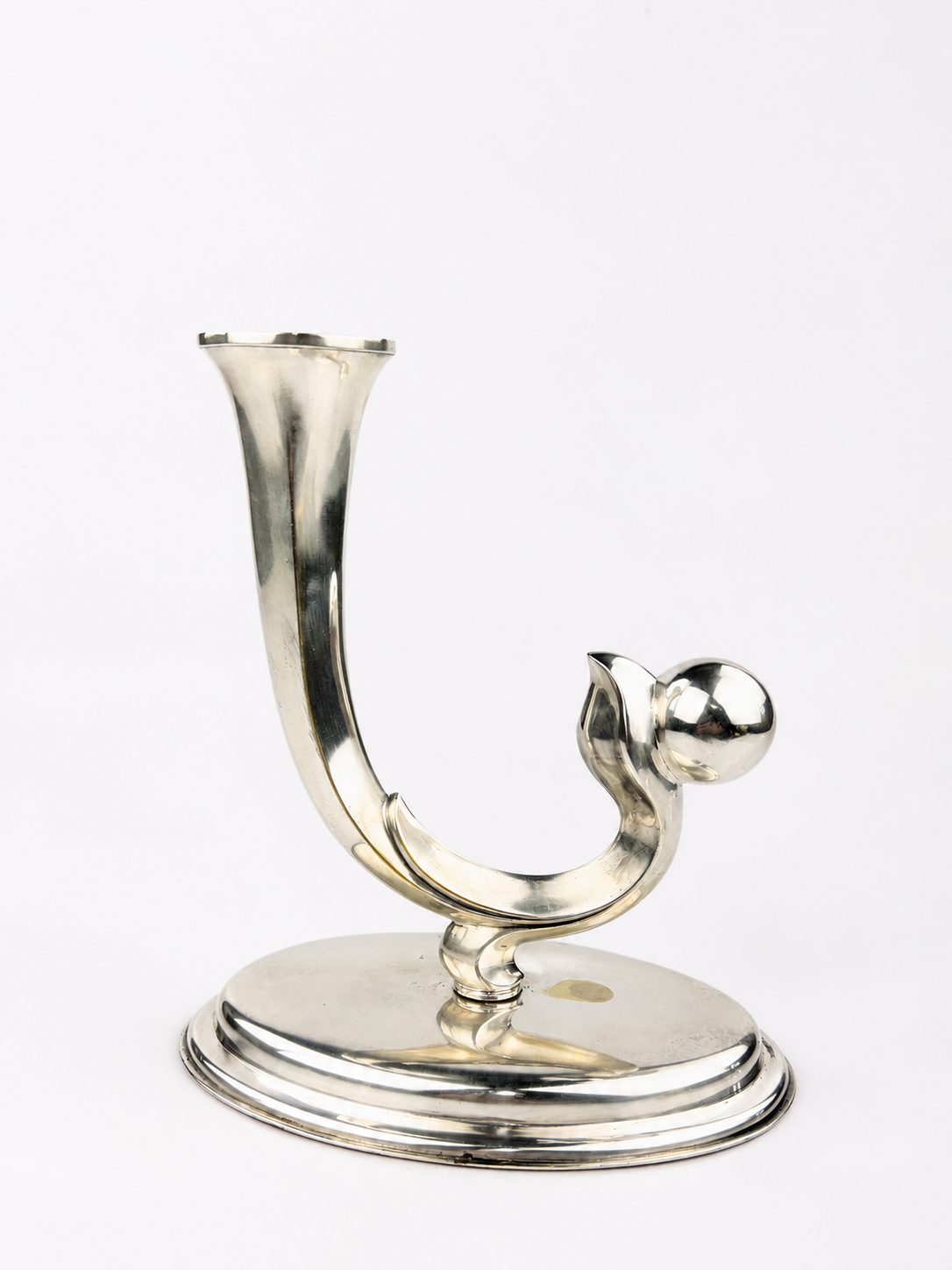
Eberle • Art Deco-Style Candlestick
Brazil • 20th century • Silver-plated metal
Single-light Eberle candlestick with a curved stem, spherical terminal and stepped oval base. Its Art Deco-inspired design emphasises continuous lines and reflective surfaces.
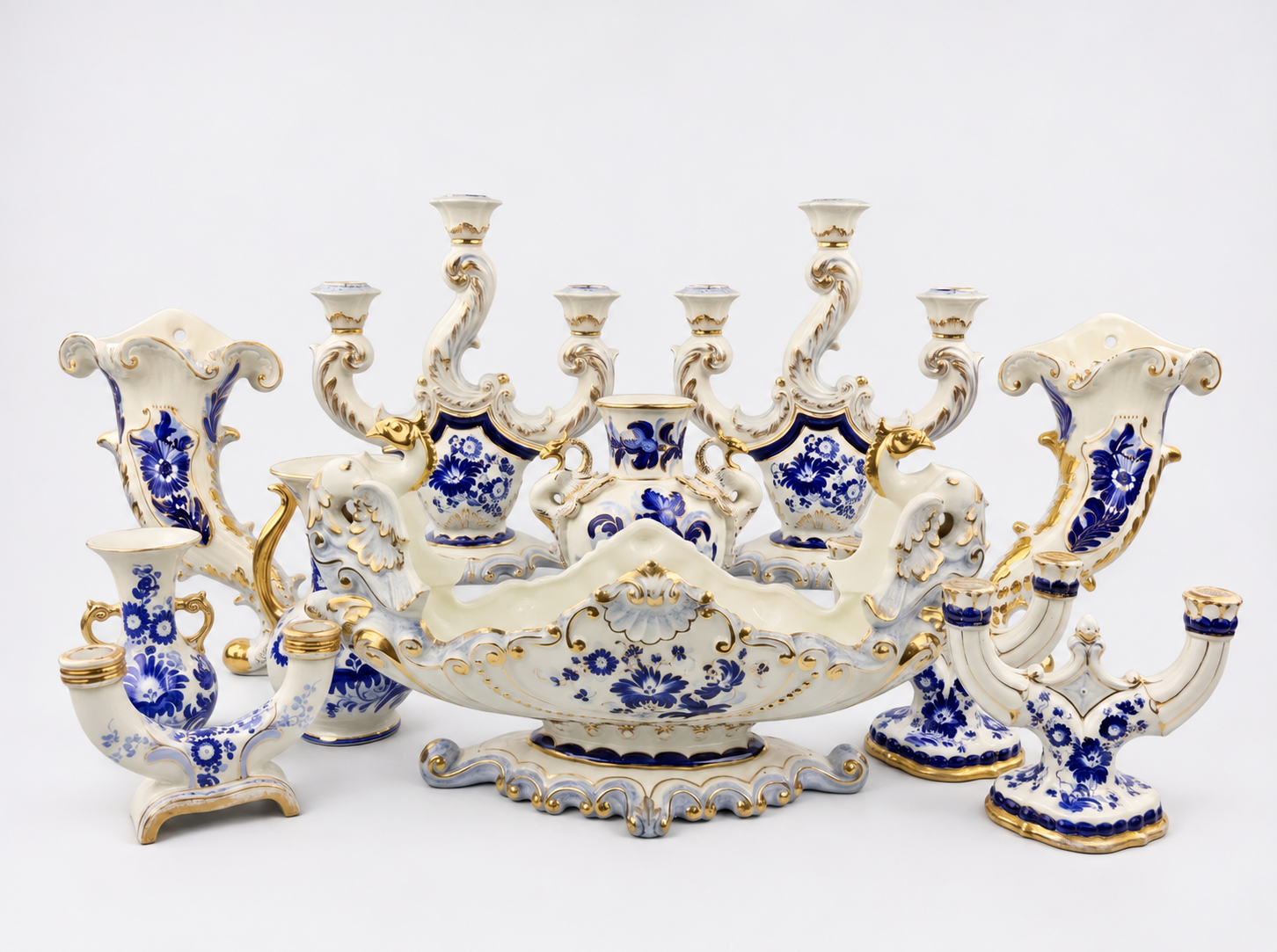
Zappi • Cobalt-Blue and Gold Set with Bird Jardinière
São Paulo • Mid-20th century • Glazed ceramic
A separate Cerâmica Artística Zappi set comprising a bird-shaped jardinière, vases and candlesticks. Scrollwork and floral reliefs appear throughout, united by cobalt blue, white and gold.