The Jaru vase and the passage of the private collection to the Acervo
A meeting during a trip, a published photograph and two pieces with different destinations.
Pesquisa e curadoria: Jorge Feitosa e Fábio Garcia
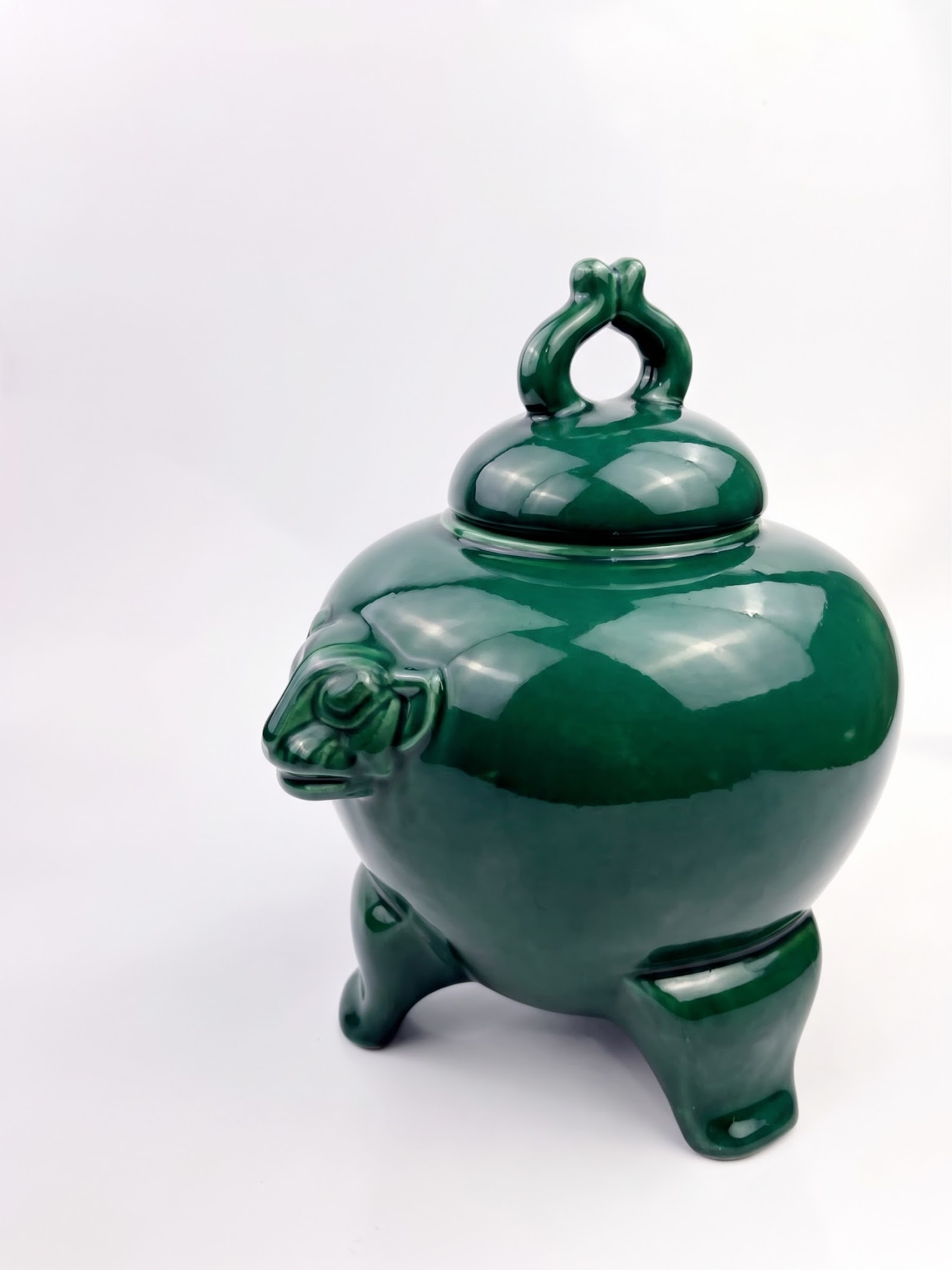
Tudo começou com a fotografia de um vaso Jaru verde encontrado no Oregon, nos Estados Unidos. A imagem despertou o interesse da equipe da Mata Lab pela coleção que Jorge Feitosa e Fábio Garcia formavam havia mais de vinte anos. Fábio voltou para buscar a peça e encontrou outro Jaru, vermelho-rubi. Os dois chegaram ao Brasil: o verde ficou com os curadores; o vermelho integrou a seleção apresentada na Mata Lab e depois seguiu para outra coleção.
The green vase and the original record
The approach to Mata Lab began with the works of the visual artist Jorge Feitosa. A photograph published by Fabio, however, drew attention to another aspect of the couple's life: the collection of objects formed over more than twenty years.
The Story recorded a green Jaru vase found during a trip to Oregon. The image arrived at Tunico de Castro Filho and participated in the conversations that led the Mata Lab team to know the private collection.
Two copies, different destinations
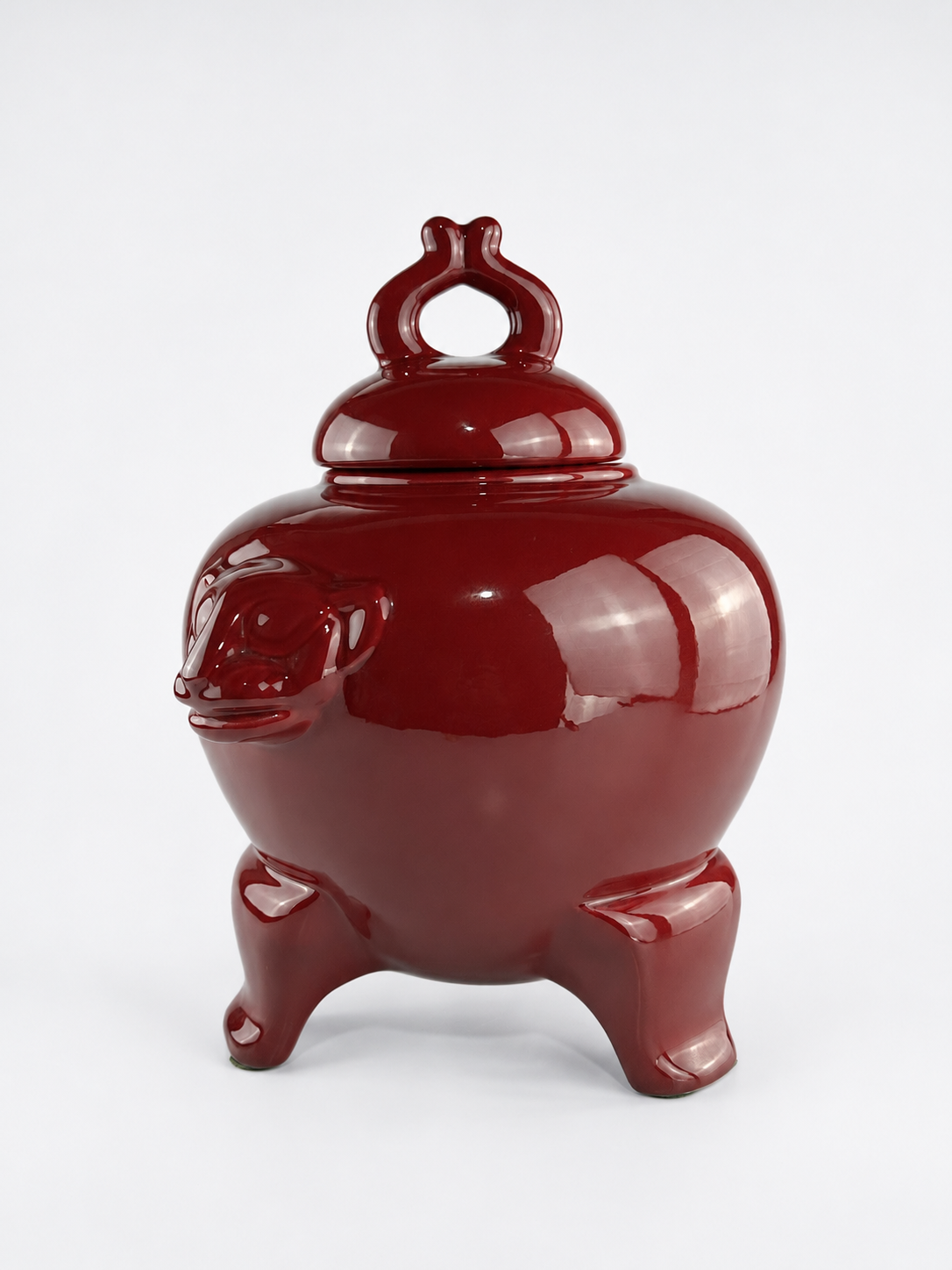
Fabio returned to the United States to search for the green vase and, on the same trip, found another Jaru, in red-rub. Both came to Brazil. The red integrated the selection presented at Mata Lab and followed to another collection; the green stayed with Jorge and Fabio.
The circulation of the two pieces is a decisive moment: part of the collection began to be presented to new audiences, while other objects continued in the curators' house.
The scope of the registration
The travel photograph, the conversation with Mata Lab and the return of the vases to Brazil make up a preserved sequence in the history of the Acervo. The green Jaru continues to link to the origin of this project; the red records its opening to other houses.
Related readings
Documents and pages of the Acervo used as an editorial or in-depth basis. Do not replace catalogues of manufacturers and primary sources when required by historical identification.
- The Acervo — Jaru: The Vase That Helped to Tell the BeginningInstitutional report of the curators, used to reconstruct the episode.
- The Acervo — origin and identityContext of the formation of the private collection.
- The story continues: a third Jaru
Objects related to this research
Jaru of California • Ruby-Red Jar with Feline Masks
United States • 1980s (approximate dating) • Glazed ceramic
Exemplar vermelho-rubi de pote decorativo associado à Jaru of California, com corpo globular sustentado por três pés, mascarões felinos em relevo e tampa rematada por uma pega arqueada. A superfície esmaltada, de brilho intenso, evidencia os relevos e as curvas do recipiente. Segundo o relato dos curadores, Fábio Garcia encontrou a peça nos Estados Unidos durante a viagem em que retornou para buscar o primeiro Jaru verde, fotografado no Oregon. Os dois exemplares vieram ao Brasil, mas tiveram destinos distintos: o verde permaneceu na coleção particular de Jorge Feitosa e Fábio Garcia, enquanto o vermelho-rubi integrou a seleção inaugural apresentada na Mata Lab e posteriormente seguiu para outra coleção. A história desse encontro é registrada no Caderno Curatorial, em “O vaso Jaru e a passagem da coleção particular ao Acervo”. A atribuição à manufatura e a datação aproximada na década de 1980 devem ser examinadas à luz de marcas e documentação de fabricação.
Jaru of California • Turquoise Ginger Jar
California, United States • c. 1980 • Glazed ceramic
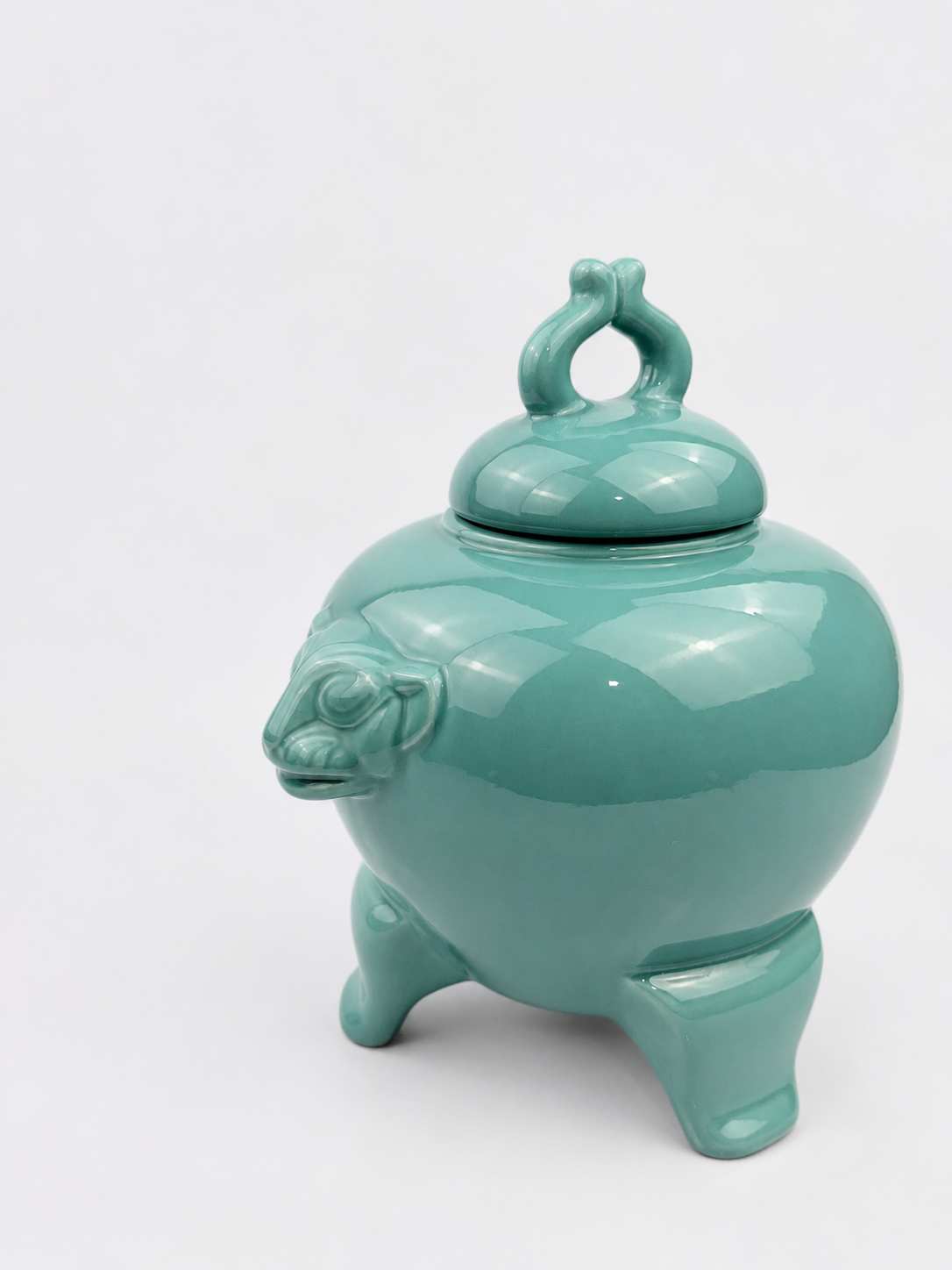
Jaru ginger jar with a globular body on three feet, feline masks in relief and a lid with an arched handle. The turquoise glaze highlights the modelling. This example is distinct from the green and ruby vases discussed in the Acervo's origin story.